

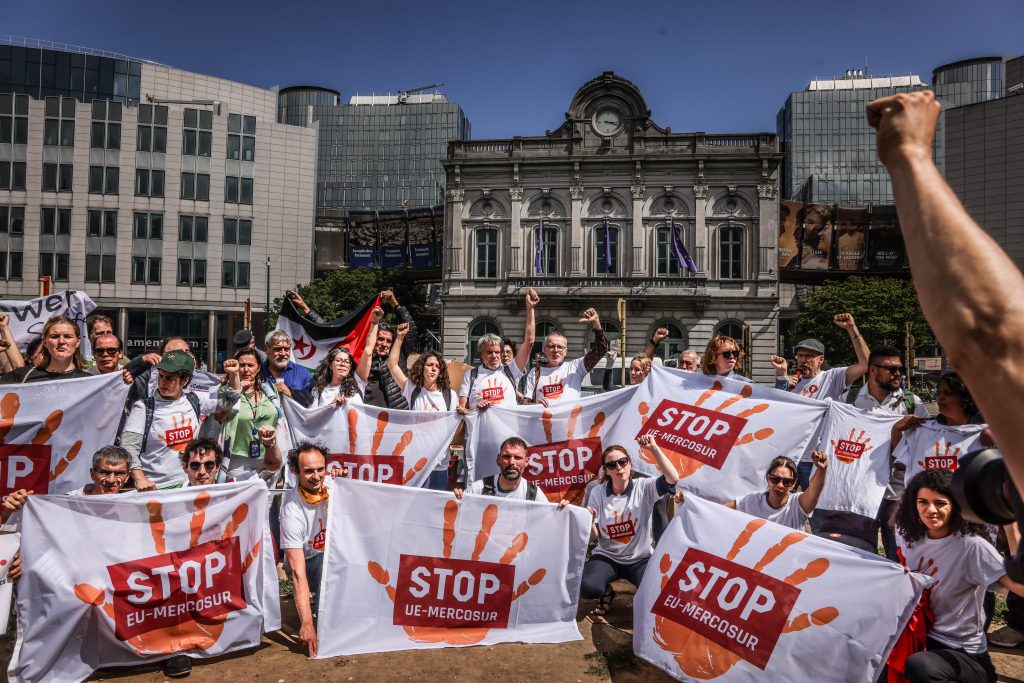
Today, the European Parliament sent a strong signal of their doubts on the EU-Mercosur trade deal by sending the text for legal review to the Court of Justice of the EU. MEPs now have to wait for the Court of Justice’s response before voting on the actual approval of the deal – a response that could take up to two years.
Specifically, today’s vote is an official solicitation by the Parliament for an authoritative opinion by the Court of Justice on the legality of the rebalancing mechanism and the ‘splitting’ of the trade and political pillar.
Frances Verkamp, Trade and Investment Campaigner at Friends of the Earth Europe, commented:
“By voting for a legal review, the European Parliament is defending the integrity of the legislative process and ensuring its views on trade are not tossed aside. The rebalancing mechanism was a big red-flag for EU policy autonomy. Allowing Mercosur countries to challenge new EU environmental or social protections risks chilling regulation and undermines the EU’s climate and sustainability goals.”
In standard European practice, this decision would also delay the application of the trade deal, as generally trade deals are not applied without the approval of the Parliament. However, the EU Council presidency withdrew a declaration pledging to wait for Parliament’s vote before the provisional application of the deal, signaling that the EU Commission will consider to begin applying the deal as soon as one of the Mercosur countries ratifies it.
The recently agreed positions of the EU Parliament and Council on the safeguard mechanisms have also been thrown into doubt. Argentinian President Javier Milei pointed out that the more stringent safeguard limit presented by the EU is not admissible under the previous EU-Mercosur negotiating agreements, exposing them as largely political assurances with no legal weight. This only adds to a number of factors leaving MEPs feeling unsettled about this trade deal.


We think you’d also like:
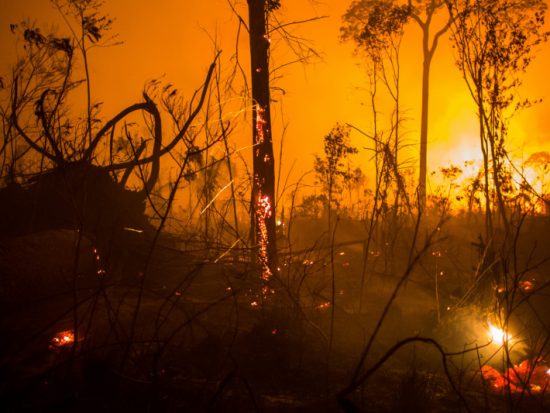
Stop the EU-Mercosur trade deal
The EU is close to finalising a climate-wrecking trade deal with Brazil, Argentina, Paraguay and Uruguay – known collectively as Mercosur. But there’s still time to stop it.