
Another nail in the coffin of social and climate justice
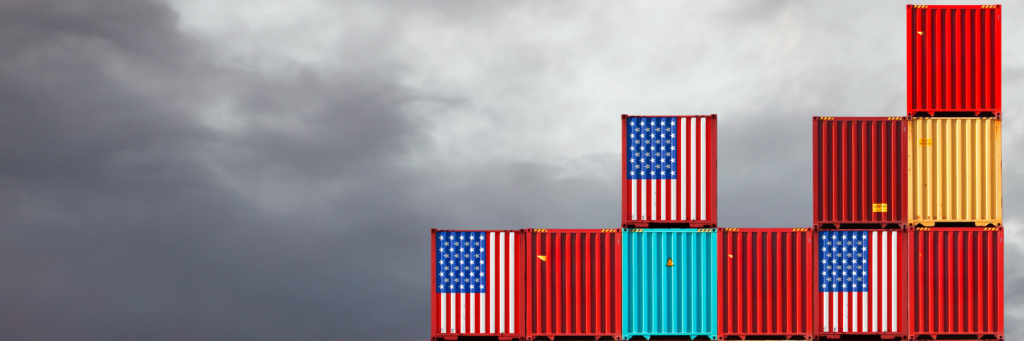
On 27 July 2025, Ursula von der Leyen and Donald Trump reached a so-called deal on tariffs. Negotiated by the European Commission, this not-legally binding ‘deal’ legitimises Trump’s bullying tactics and the use of tariffs as a tool of deregulation. The EU-US ‘deal’ is asymmetric, it allows massive concessions to big corporations in the US, and only serves to benefit Trump’s oligarch friends. This move clearly illustrates how the European Commission puts the interests of business and industry over the interest of citizens, farmers and small businesses.
Von der Leyen claims that buying American LNG will get the EU off of Russian gas. But it will only drive us into the clutches of another unreliable, authoritarian government, whilst ruining the European Green Deal.
The EU’s promise to purchase $750 billion worth of American energy over the next three years, including liquified natural gas (LNG), is unrealistic to begin with, but more importantly a huge step backwards for climate action. LNG imports are a climate killer, with huge amounts of greenhouse gas and methane emissions along its supply chain. Rather than encouraging the US fossil fuel industry, the EU should focus on reaching its climate commitments and phase-out fossil gas in all sectors by 2035 at the latest. At a time in which Europe is suffering from the adverse impacts of climate change, including extreme temperatures, droughts and floods, we can’t afford to lock ourselves into more fossil fuelled energy, which we know will exacerbate the climate catastrophe. This ‘deal’, if lived up to, would force the EU to triple its US LNG energy imports, undermining its own climate objectives.What we need is a tangible and ambitious shift to reliable, green and affordable solutions in the EU’s energy model in order to achieve actual energy security.
When it comes to agriculture, it looks like the ghost of TTIP has come back to haunt us. The US objective is to open the European market to American food products with lower quality standards than Europe’s own produce. As stated in this factsheet published by the White House:
“The United States and the European Union intend to work together to address non-tariff barriers affecting trade in food and agricultural products, including streamlining requirements for sanitary certificates for U.S. pork and dairy products.”
Trump is forcing us to deregulate and lower the EU’s quality and sanitary standards. Many US agricultural products are produced with substances that are banned in the EU (e.g. meat with hormones, GMOs, toxic chemicals). This will create unfair competition for EU farmers whilst endangering citizens’ health. This deal will only benefit the agribusiness and multinationals such as Bunge and Cargill, at the expense of small farmers. It pushes us even further away from the agro-ecology transition and food sovereignty.
Trump uses trade policy and punitive tariffs as an imperialist tool. The EU-US ‘deal’ only serves the interests of big American corporations and billionaires. It favours the big polluters that are responsible for the climate chaos we’re in, such as fossil gas, the automotive sector and the agro-industry, whilst sacrificing citizens’ health and small farmers. The most polluting industries and the far-right have come together to sell our future for profits and destroy the well-being of the majority of peoples.
This so-called EU-US ‘deal’ threatens Europe’s energy transition and food sovereignty. But this ‘agreement’ is not set in stone yet. Trade negotiations with the US must follow the usual EU law-making process with participation of the European Parliament and civil society.
A different trade policy is possible. Trade justice can be achieved through an efficient and sensible use of tariffs, protecting the quality of the food we produce and facilitating the energy transition. Trump’s aggressive war on tariffs is an opportunity for the EU to reject neoliberal trade policies and build real autonomy in strategic sectors. We call on the European Commission and EU member states to work together with allies of the Global South and build a different international trade order, based on rules and justice, ecological relocation, food sovereignty and international solidarity.