
Originally posted as a LinkedIn article on 6 August 2025
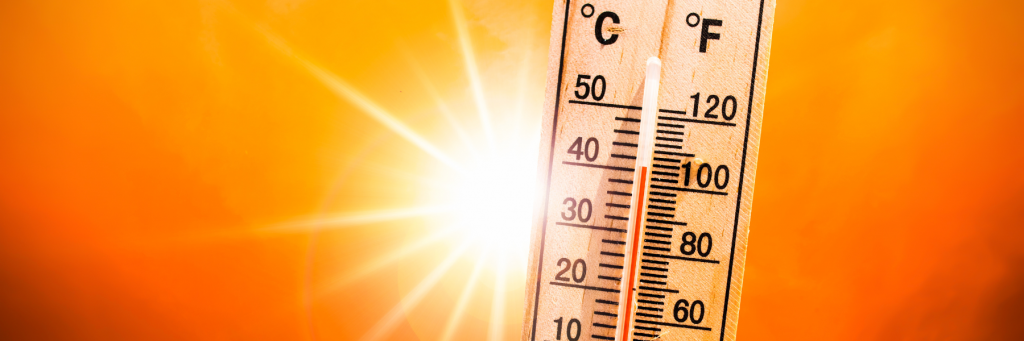
Europe has broken one heat record after the other in the past couple of weeks. Unprecedented heatwaves have been registered from Spain to Finland to the UK. Europe is the fastest heating continent on earth and it is starting to show.
Heat & health
But whereas the heat is annoying for some it is excruciating and life threatening for others. Exposure to extreme heat can worsen existing health issues, cause heat stress and dehydration, which can all result in hospitalisation and death. A distressing 95% of weather and climate related casualties in Europe between 1980 and 2023 were linked to heatwaves. The most recent data reveals that over 60.000 Europeans died from heat-related causes in 2022 and over 47.000 in 2023.
Heat & inequality
As with the majority of our life experiences, we are not all equal in the face of extreme weather. People who are least likely to cope with the heat are people with pre-existing health conditions, people who do manual labour and/or work outside, and people from marginalised communities – who are often living in houses that are outdated and a far cry from energy efficient.
This brings us to the topic of summer energy poverty.
Summer energy poverty – what about it?
When a person is faced with summer energy poverty it means that they are not able to keep their home at a comfortable temperature during summer. It is similar to winter energy poverty as it is a systemic issue caused by a political failure to provide universal access to affordable, efficient and renewable cooling systems, and ensure that buildings are renovated in order to prevent energy waste, reduce energy bills and meet our changing housing needs in a changing climate. It is a growing issue in many European cities, especially in southern regions.
You can read more about the issue here and here.
How do we tackle this?
A lot can be done and is already being done by citizens, civil society, and local institutions to change the living conditions for people. Here are a few key steps to tackle summer energy poverty AND some examples of inspiring initiatives from across the EU.
- Knowledge is power
We need more and better data in order to find and help the most vulnerable people. That means mapping out who is most likely to be faced by summer energy poverty by considering more than just their income. The data must include other factors that impact people’s lives and wellbeing such as age, health and housing conditions but also access to shade, cooling and green spaces.
For example: Officials in New York City created a framework to curb the heat mortality rate due to climate change. A ‘Heat Vulnerability Index’ tracks heat risks with a focus on the most marginalised communities in the city, looking at factors like temperature, green spaces, access to air conditioning, and socio-economic conditions. The Extreme Heat Action Plan suggests 49 actions to protect vulnerable groups, especially those in low-income areas, with strategies like cooling centres, public health messaging, and emergency planning.
- Safety nets are key
It will take time to develop and implement the structural solutions that are needed in order to protect people from energy poverty. That does not mean that nothing can be done in the meantime though. We need short-term solutions to protect and support the most vulnerable households until then, including an effective ban on disconnections, flexible payment plans and debt write offs.
For example: Catalonia forged an agreement with one of the major energy companies in Spain that led to the cancellation and writing off of outstanding energy debts by vulnerable households and introduced a co-financing system that covers the cost of future energy bills for the most vulnerable energy customers.
- Fair energy bills
Energy tariffs should reflect real costs—not the inflated profits of energy companies. Social energy tariffs (discounted rates for low-income households have to account for multiple vulnerability factors, be easy to access, be tailored to actual needs and be sustainably financed—with significant contributions from energy suppliers.
For example: Portugal’s social energy tariff system – though with some flaws – saw a major increase in the number of households benefiting from it after a thorough redesign that applied the tariff automatically. This just goes to show how important it is to make measures clear and accessible for all.
- Cooling homes without wreaking the climate
Our buildings and homes will need to adapt to the heat and heatwaves. We need passive cooling solutions that do not cost the earth like insulation, ventilation, and nature-based solutions like green roofs—especially in low-income and social housing areas. This saves energy, helps keep bills low and makes homes as well as the surrounding areas more liveable.
For example: In Spain, the municipality of Getafe is addressing heatwaves through energy efficiency, urban planning and social resilience, through a two-phase programme to recover social housing buildings. The EPIU Hogares Saludables initiative identifies overheating risks and implements targeted upgrades, whilst the Getafe Rehabilita initiative scales these interventions up by using façade insulation, green infrastructure, and passive cooling techniques, helping to reduce heat stress for vulnerable households.
- The case for renewable, collective cooling
While passive cooling measures may be enough to satisfy the cooling needs in northern European countries, households in the South require a combination of passive measures and active cooling systems to ensure thermal comfort throughout the year. In order to make this efficient and more affordable, collective solutions should prioritise access to renewable-based energy cooling for vulnerable households, including district cooling networks and replacing fossil fuel based central heating systems in apartments buildings with reversible heat pumps.
For example: An energy sharing project in Porto provides fully publicly funded solar energy to social housing residents using rooftop PV installations and battery storage on public and residential buildings. In Eeklo, Belgium, an energy cooperative provides residents with community-owned wind energy. To ensure everyone can benefit, the municipality prepays the coop- shares for low-income households, who repay them gradually, making affordable renewable energy accessible to everyone. Munich has developed its own cooling network which uses ground water and the Isar river to provide heating and cooling for commercial and public buildings. The district cooling network saves the city 50–70% energy compared to decentralised cooling systems. Because it is publicly owned, the network is well-positioned for expansion to serve vulnerable households.
Going forward
These models prove it is possible to create an energy system that is affordable, fair and accessible for all. But for these solutions to succeed, we need coordinated action from our local and national governments, energy suppliers and city planners that puts people at the centre of their design – whether that is a subsidy, a policy or a building.
Summer should be a time to enjoy, it should not be threatening or worse, deadly. With the right tools and the will to act, we can keep our homes, our cities, and our communities cool.