
A local’s perspective on lithium mining in Jadar Valley, Serbia
Amazing news for the people’s resistance against mining: After decades of protest by Serbian civil society, the multinational Rio Tinto has halted its lithium exploration project in Jadar Valley. The project has been mothballed despite being designated by the EU as “strategic project” earlier this year.
The resistance against lithium mining in Jadar, Serbia, has become one of the most emblematic cases of people power vs. corporate greed and state repression. Serbia’s citizens, NGOs and experts had been calling it out fervently for many years, citing environmental risks, procedural neglects, corruption and repression of activists. With a long history and plenty of media coverage, it is easy to get lost in the technical details of impact studies and licensing process.
However, what matters most to us is the perspective of people on the ground – people like Aleksandra Velimanović of Earth Thrive who has been doing protests and advocacy against the mine for years. Aleksandra, while acknowledging that the suspension is a huge victory and an example for successful organised resistance, calls for caution. “Rio Tinto has all but left the valley”, she says, “It has actually launched a new greenwashing campaign on billboards and is keeping the legal rights over the project.” A similar suspension was announced in January 2022, shortly before Serbian elections.
Backstory: Rio Tinto’s exploitation and the people’s resistance
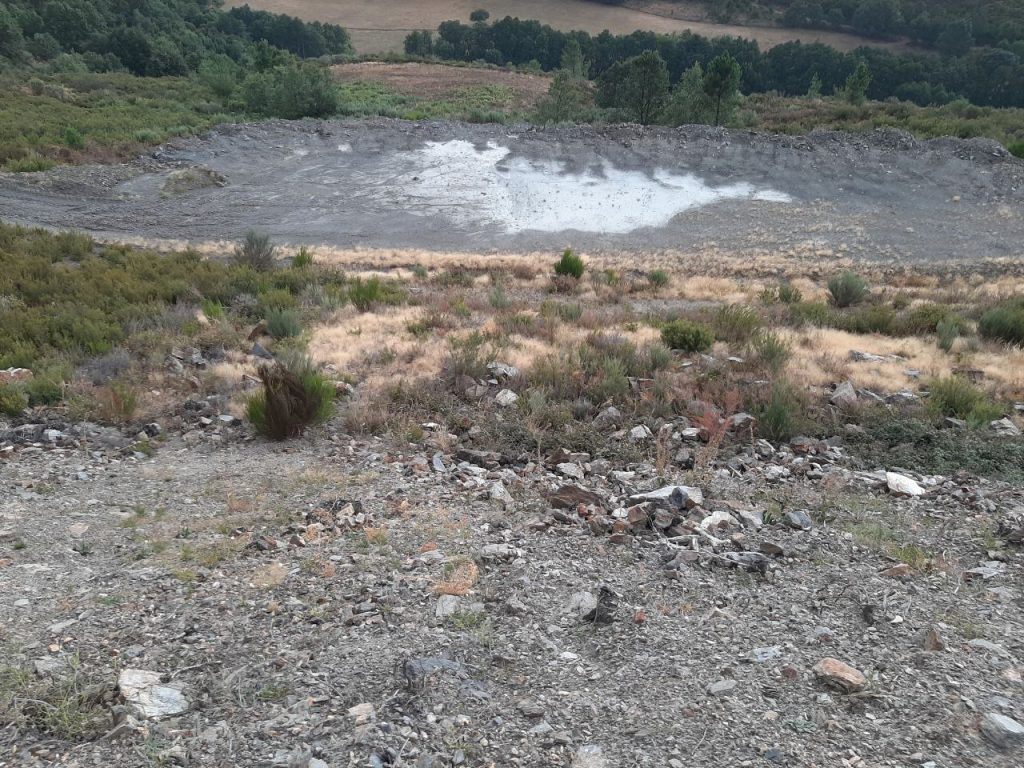
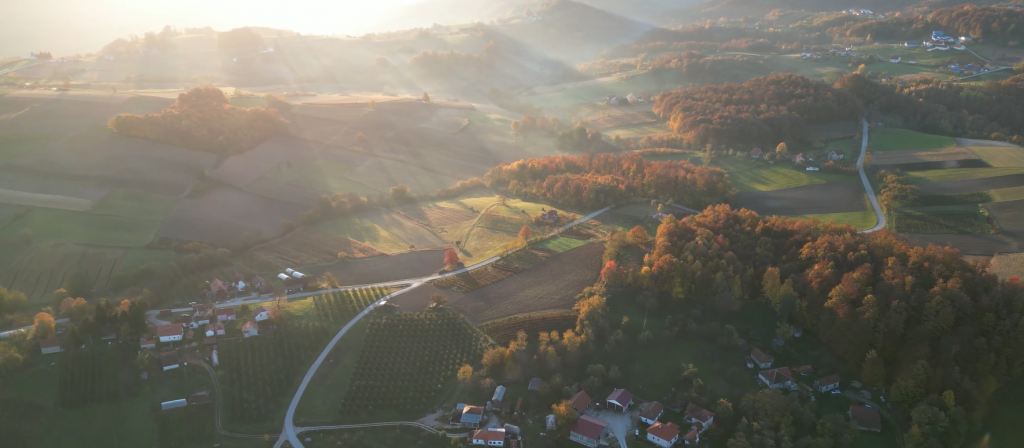
Rio Tinto, British-Australian owned multinational and the world’s second largest mining corporation, has eyed the lithium reserves of the Jadar Valley in Serbia for over two decades. But while claiming economic benefits and the highest standards of environmental protection, Rio Tinto has a long track record of environmental pollution and human rights abuses. In Jadar, extracting lithium would require large amounts of water and entail the use of hazardous chemicals, which would contaminate nearby rivers and jeopardise agricultural production in the region. Because of these and other environmental risks and social concerns, people of Jadar and across Serbia have been protesting against the mining plans: 63.5% of Serbian citizens oppose the mine, according to a survey.
Exploration activities started in 2001, when the company founded a subsidiary in Serbia. Since then, and especially over the past years, there have been numerous incidences of manipulation, repression and harassment of activists. Rio Tinto even threatened to sue Serbia in a private investor-state dispute settlement (ISDS) tribunal.
The European Commission’s ambiguous stance
Despite its democratic backsliding, the European Union continues to do business with Serbia’s government. In 2024, the EU signed a Memorandum of Understanding with the Serbia to establish a “strategic partnership” on raw materials, battery value chains and electric vehicles. In June 2025, the European Commission declared Jadar a strategic project to secure the supply of lithium, despite the public controversy. However, one year after the Novi Sad tragedy, the European Parliament adopted a resolution strongly condemning the ongoing state repression in Serbia. It expresses support for Serbian civil society organisations and activists working to strengthen democracy, while calling on the Commission to ensure adequate funding and effective protection mechanisms for civil society actors.
Aleksandra’s story
Aleksandra Velimanović is a Serbian woman living in Loznica, where she was born and raised, close to the planned mining site. She currently works as a researcher for nature rights organisation Earth Thrive and the local NGO Nimbus. Earth Thrive has submitted 3 legal complaints to the Bern Convention to denounce the biodiversity impacts by mining projects, including Jadar. In these videos she shares her thoughts on the people’s resistance to the mining project and the imperative of political participation.